


Overview
Heavy-Duty Towable Bins for Safe Internal Material Logistics
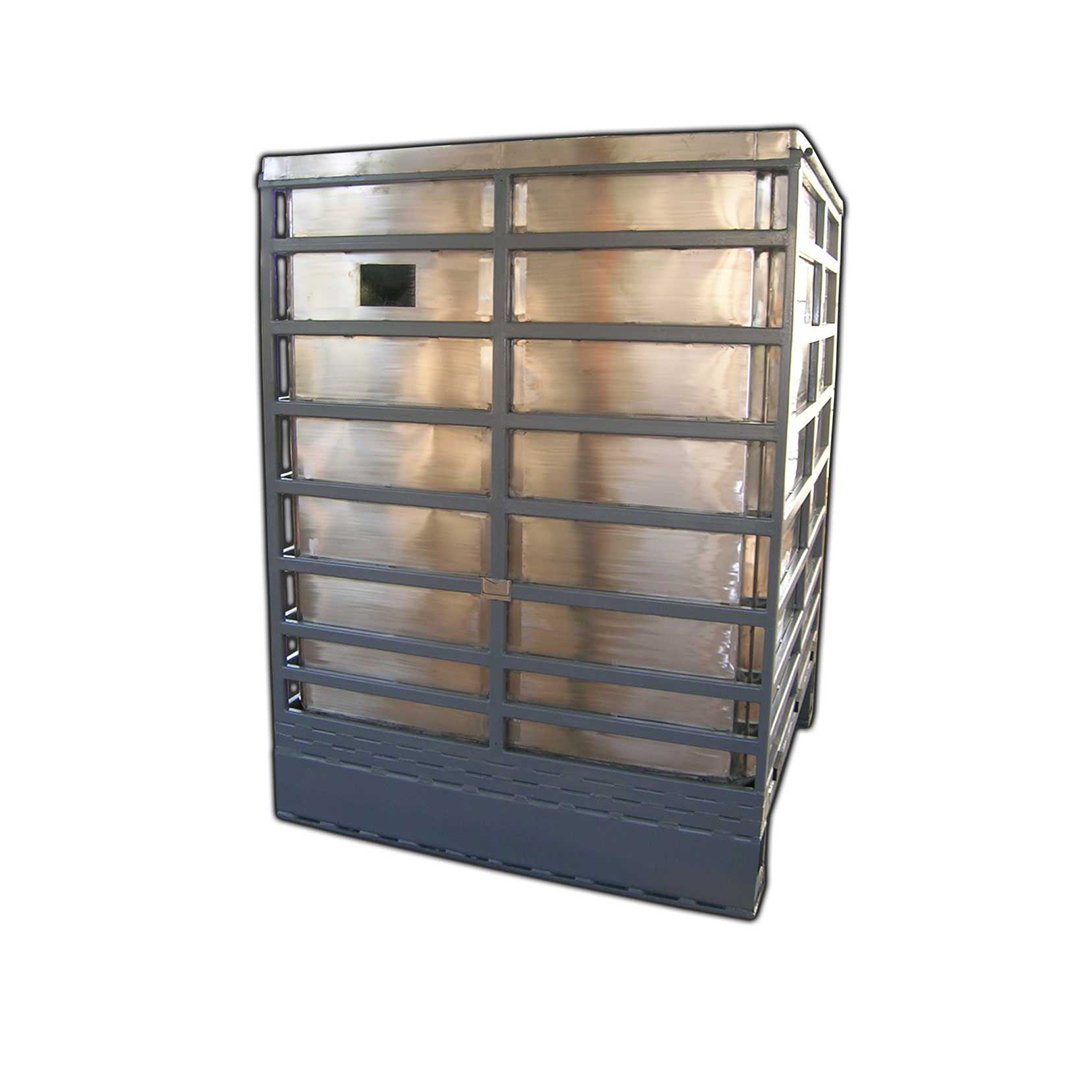
NESF supplies fabricated tow bins and tow cans for internal plant logistics, used to move bulk solids, scrap, chips, flakes, and production waste safely and efficiently between stations.
Each build can be adapted around floor layout, towing method, load rating, discharge method, and material-service conditions.
Share your material, load rating, floor layout, towing method, and discharge needs. NESF will propose a build-to-spec tow bin or tow can.
What We Fabricate
- Towable bins with reinforced frames and lifting points.
- Heavy-duty wheel, caster, or skid-base configurations.
- Bottom-dump, side-discharge, and fork-pocket options.
- Optional covers, lids, and identification plates.
Why Tow Bins Are Used
- Efficient movement of large material volumes within plants.
- Reduced manual handling between production stations.
- Temporary storage and organized material segregation.
- Repeatable handling around plant logistics routes.
Options
- Wear plates in high-impact zones.
- Drain points for wet-material service.
- Corrosion-resistant coatings or stainless-steel construction.
- Custom towing, lifting, fork, and discharge arrangements.
Quality & Fabrication
- Reinforced structural frame and controlled weld fit-up.
- Wheel, caster, lifting-point, and fork-pocket alignment checks.
- Load-oriented fabrication based on client specifications.
- Surface finishing, marking, and dispatch preparation.
Quotation Inputs
- Material handled, required volume, and maximum load.
- Floor layout, towing method, and turning constraints.
- Wheel, caster, skid, fork, lifting, and discharge preferences.
- Wear, corrosion, drain, cover, and finish requirements.
Fabrication Support
Built around your drawings, duty conditions, and inspection needs.
Share specifications, P&ID, MOC, dimensions, and testing requirements. The NESF team can align fabrication, documentation, and delivery around your project.
Enquiry Form
Request a quote for a Tow Bin / Tow Can
Share your material, capacity, load rating, mobility, and discharge requirements.